.png/:/rs=h:120,cg:true,m/qt=q:95)
Montreal Mini-Storage Clearout: WSS Junk Removal Solution
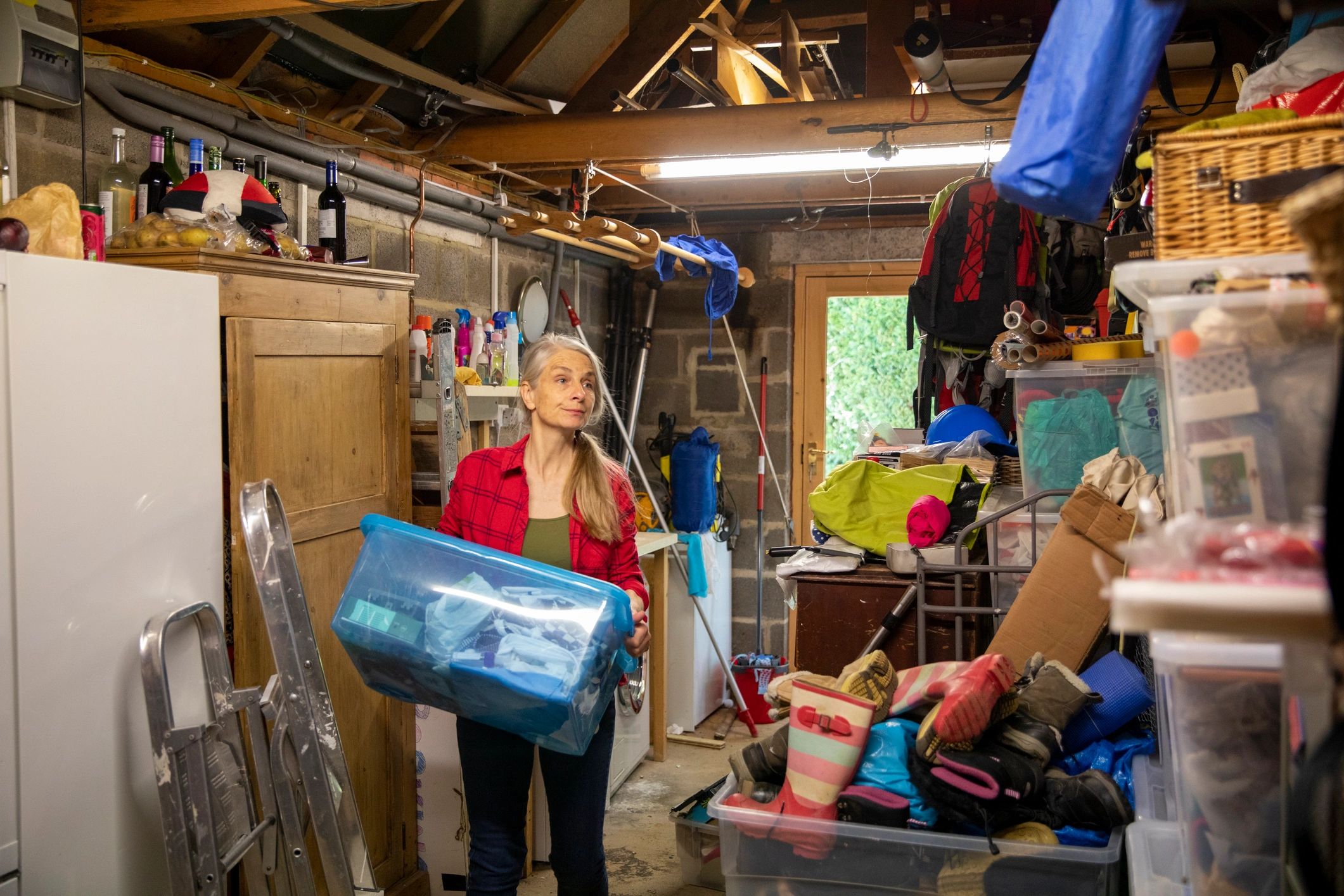
The Silent Space Drain: Why Montrealers Are Reclaiming Their Storage Units
Every year, thousands of Montreal residents pay good money to store items they no longer use—seasonal gear, outdated furniture, forgotten boxes—only to let square footage go to waste. In a city where demand for mini-storage in neighborhoods like Ville St-Laurent, Rosemont, and Pointe-Claire continues to rise, every inch counts. What starts as temporary protection often becomes a long-term financial leak, with monthly rental fees accumulating like dust on unused belongings. Beyond the cost, cluttered units create access challenges, safety hazards, and even risks to item integrity due to temperature fluctuations and poor airflow.
The real issue isn’t just full units—it’s unmanaged ones. Without a clear strategy, a storage clearout can quickly become overwhelming, especially during spring transitions, estate cleanups, or post-move downsizing. Common challenges include sorting through years of accumulated items, identifying hazardous materials like paint or propane tanks, and ensuring responsible disposal in compliance with Quebec’s waste regulations.
This guide will walk you through how to approach a storage unit cleanout with confidence—maximizing space, minimizing costs, and simplifying the process from start to finish. You’ll learn proven steps to categorize, remove, and responsibly manage junk while avoiding hidden fees and environmental missteps.
Master the Clearout: A Step-by-Step Plan for Efficiently Emptying Your Storage Unit
Tackling a storage unit cleanout doesn’t have to be overwhelming. With a clear, structured approach, you can quickly regain control of your space while staying efficient and compliant—especially in high-demand areas like Montreal and Toronto, where time and storage costs matter. Follow this expert-backed process to streamline your removal:
- Secure Access & Schedule Smartly Confirm your storage facility’s access hours and gate codes in advance. If you're not attending in person, ensure the unit is unlocked and clearly labeled. Book your junk removal early in the week and during morning hours to avoid delays and ensure faster service.
- Sort Using the Four-Zone Method Divide belongings into Keep, Donate, Recycle, and Dispose. Work section by section—start from one corner and move forward—to avoid backtracking. Use labeled bins or tape off floor zones to keep categories distinct and reduce decision fatigue.
- Dismantle Furniture to Save Time & Money Take apart beds, shelving units, cabinets, and tables. Disassembling bulky items reduces volume, improves truck loading efficiency, and often lowers hauling fees. Store screws and hardware in labeled bags taped to the corresponding parts.
- Identify and Set Aside Hazardous Materials Items like paint cans, propane tanks, motor oil, and lithium batteries must not be included in standard junk removal. Pull these out early and drop them off at designated Montreal or Quebec waste depots to stay compliant with local regulations.
- Load Smart and Do a Final Sweep Place heavy debris toward the back of the truck for safe weight distribution. Stack lighter items on top and secure loose pieces. Once empty, sweep the unit thoroughly—many facilities inspect for debris before releasing security deposits.
7 Common Items Found in Storage Units and How to Dispose of Them Responsibly
Clearing out a storage unit in cities like Montreal or Toronto often means confronting a mix of forgotten belongings that have accumulated over years. Knowing what you’re dealing with—and how to handle each category—can make your storage unit cleanout faster, safer, and more eco-conscious. Below are seven frequently encountered items and expert-backed disposal methods to help you stay compliant with Quebec and Ontario waste regulations.
- Old Furniture (Sofas, Dressers, Tables) Wooden and upholstered furniture often deteriorates in storage due to humidity and pests. If still in usable condition, donate to local shelters or resale organizations. Broken or stained pieces should be processed by services that deconstruct them for wood, metal, and fabric recycling—diverting materials from landfills.
- Electronic Devices (Computers, TVs, Printers) E-waste contains toxic elements like lead and mercury, making curbside disposal illegal. These items require certified electronic recycling programs that safely recover valuable components. Keep devices intact and cords bundled to streamline processing.
- Large Appliances (Refrigerators, Washers, Ovens) Known as “white goods,” these contain refrigerants, oils, or foam that must be professionally extracted before recycling. In regulated provinces, certified handlers ensure safe dismantling and scrap metal recovery—turning outdated appliances into reusable resources.
- Cardboard Boxes and Packing Supplies Piled-up boxes attract mold and rodents, especially in damp environments. Flatten clean cardboard and separate it from tape and plastic liners. Shredded paper should be bagged to prevent scattering and contamination.
- Holiday and Seasonal Decorations Tangled lights, plastic ornaments, and fabric banners often end up in storage limbo. Reuse functional items or donate for crafts. Discarded decorations should be sorted: metal frames to recycling, broken wiring to e-waste, and non-recyclable plastics responsibly disposed.
- Construction Materials (Drywall, Lumber, Metal) Leftover renovation debris requires careful segregation. Treated wood and drywall may contain regulated chemicals—never mix with general waste. Metal scraps are highly recyclable and valuable at designated yards.
- Personal Documents and Files Paper clutter poses security risks. Sensitive records should be shredded before disposal to prevent identity theft. Non-confidential paper can be baled and recycled, reducing hauling volume and cost.
By identifying these items early and planning their responsible disposal, you simplify your cleanout while supporting sustainable waste management.
Why Certification Matters: Ensuring Your Montreal Storage Clearout Follows the Rules
When clearing out a storage unit in Montreal, it’s not just about what you remove—it’s how and where it gets disposed of that truly counts. Choosing a certified junk removal provider ensures your cleanout meets Quebec’s waste disposal standards and minimizes environmental harm. Certified services are trained to identify regulated materials like aerosol cans, old electronics, and household chemicals—items that can’t legally go to landfill and require special handling to avoid fines or contamination.
These accredited teams operate with permits for safe transport and maintain documentation showing where each type of waste is processed, ensuring full traceability. They know which materials can be diverted for recycling or donation, helping keep usable furniture, metal, and electronics out of landfills. This level of organization is especially crucial in densely populated areas where landfill space is limited and bylaws are strictly enforced.
Beyond compliance, certification signals a commitment to worker safety and sustainable practices. Trained crews follow protocols for lifting, sorting, and containment, reducing injury risks during removal. For homeowners, renters, or property managers in Montreal, opting for a certified service isn’t just responsible—it’s a smarter, safer, and more sustainable way to reclaim your storage space with confidence.
Your Questions About Storage Unit Clearouts, Clear and Practical Answers
How soon can a storage unit clearout be scheduled in Montreal? Most professional services offer flexible scheduling, with many able to dispatch a team within 24 to 48 hours of your request. Same-day service is often available for urgent situations, especially during off-peak times. To secure your preferred slot—particularly in busy seasons like spring or year-end—booking in advance ensures timely access and avoids rental continuation fees.
Do I need to be present during the clearout process? While your presence isn’t mandatory, it’s advisable to remove valuables, personal documents, or sentimental items beforehand. If you’re unable to attend, ensure the unit is unlocked, clearly labeled, and organized into designated keep/remove zones to help the team proceed efficiently and accurately.
What types of items can be removed from a storage unit? Standard removal services handle furniture, appliances, boxes, electronics, and general debris. Items in reusable condition—like couches or dressers—are typically donated. Recyclables such as metal, electronics, and cardboard are processed responsibly. However, hazardous materials are excluded.
Are hazardous materials included in the service? No. Substances like paint, propane tanks, solvents, and lithium batteries require special handling and cannot be disposed of through standard junk removal. These must be taken to designated municipal drop-off locations for safe and compliant processing.
Is cleanup included after the items are removed? Yes, a comprehensive service includes a final sweep to remove leftover debris, dust, and trash. The space is inspected thoroughly to ensure it meets facility requirements—especially important if you're terminating a lease or returning the unit for deposit recovery.
Wrapping It Up: A Smarter Way to Handle Your Storage Unit Clearout in Montreal
A successful storage unit cleanout in Montreal comes down to more than just removing junk—it’s about reclaiming space, saving money, and doing it responsibly. By now, you understand the hidden costs of clutter, the importance of sorting with intent, and the value of working with a service that prioritizes compliance and sustainability. Whether you're downsizing, relocating, or simply decluttering, a fast, reliable, and eco-conscious solution ensures your belongings are managed properly, with minimal environmental impact.
From properly disposing of e-waste and hazardous materials to donating usable furniture and recycling metals, every step counts. Certified professionals make all the difference, navigating Quebec waste regulations and guaranteeing items are processed at approved facilities—not dumped or abandoned. This protects you from liability and supports greener communities.
To move forward:
- Sort ahead to reduce costs and speed up removal
- Remove personal items and sensitive documents first
- Verify your provider recycles, donates, and cleans up thoroughly
- Choose same-day service for convenience and efficiency
You don’t have to tackle years of stored belongings alone. Take the next step with confidence—clear out your unit the right way and enjoy the peace of mind that comes with a job done quickly, cleanly, and sustainably. Your clutter-free future starts today.