.png/:/rs=h:120,cg:true,m/qt=q:95)
WSS: Solution for Public Storage Canada storage unit clearout
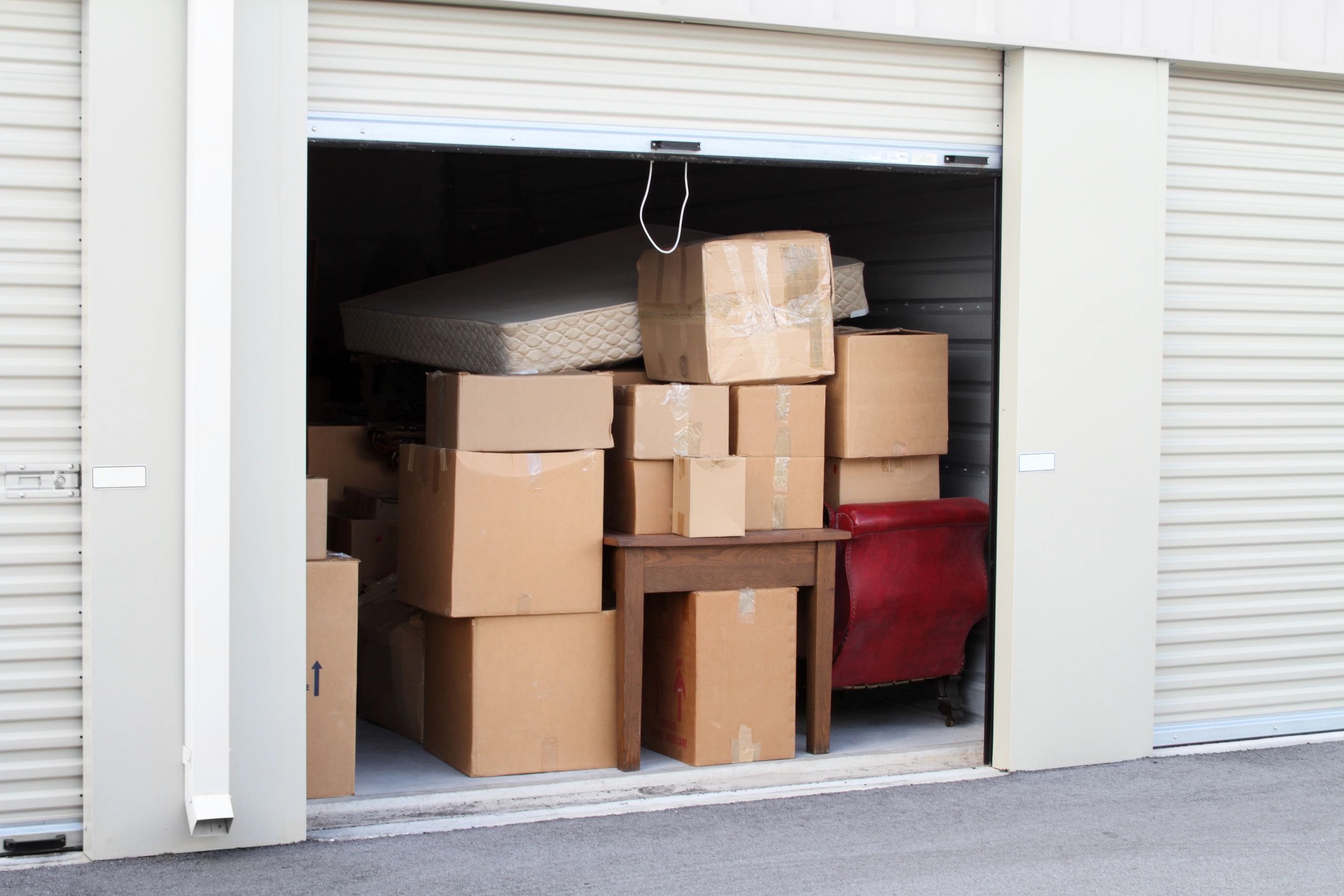
The Hidden Challenges of Clearing Out Your Storage Unit in Montreal
Emptying a storage unit might seem as simple as loading a truck and hitting the road, but for many Canadians—especially in Montreal—the reality is far more complex. Between unpredictable winter weather, narrow access lanes, and strict municipal disposal rules, what starts as a quick cleanout often becomes a time-consuming, physically demanding chore. In fact, most self-managed removals take significantly longer than anticipated, with added trips, safety risks, and compliance issues creeping in unnoticed.
Homeowners and businesses clearing out facilities like Mini-Entrepôts or Box Depot frequently face unexpected hurdles—bulky furniture stuck in tight corners, outdated electronics that can’t go in the trash, or forgotten renovation debris that requires special handling. Without proper tools or knowledge of local drop-off regulations, the process becomes inefficient and sometimes even costly due to fines or rejected waste loads.
This guide dives into the most common roadblocks of storage unit junk removal, highlights best practices for sorting and disposal, and outlines how certified services ensure safe, compliant, and environmentally responsible clearouts. You’ll gain practical insights on minimizing manual labor, maximizing recycling, and meeting facility requirements—so your unit closes smoothly, no matter the season.
7 Must-Know Items Found in Public Storage Cleanouts
When clearing out a public storage unit, tenants often discover a surprising mix of belongings that have accumulated over months—or even years. Knowing the most commonly discarded items helps streamline the sorting process, improve disposal efficiency, and reduce unnecessary trips to local recycling centers or ecocentres, especially in regions with strict waste regulations like Montreal. Below are seven of the most frequently encountered items during storage cleanouts and how to handle them responsibly.
- Furniture (Sofas, Tables, Wardrobes) Large furniture pieces are among the top items found in storage units. Their bulk and weight make them difficult to transport without professional help. Many remain in usable condition, making donation or resale a smart choice. For damaged or unsalvageable pieces, proper dismantling and wood recycling reduce landfill impact.
- Appliances (Refrigerators, Washers, Dryers) Old or replacement appliances often end up in storage after home upgrades. These contain regulated substances like refrigerants or electrical components, prohibiting curbside disposal. They require drop-off at approved facilities equipped to handle hazardous materials safely and legally.
- Cardboard Boxes & Stored Documents Boxes filled with personal, seasonal, or archived items are common. Unwanted documents with sensitive information should be shredded to prevent identity theft. Empty boxes are highly recyclable—breaking them down properly can significantly reduce waste volume.
- Household Goods (Dishes, Decor, Luggage) Forgotten kitchenware, holiday decorations, and unused bags often surface during cleanouts. Sorting by condition helps separate items suitable for donation from those bound for disposal.
- Seasonal and Sports Equipment Items like skis, bikes, patio furniture, or snow blowers are stored during off-seasons but often abandoned. These contain reusable materials like metal and rubber, ideal for recycling or donation when in working order.
- Paint Cans and Cleaning Supplies Hazardous household chemicals are frequently overlooked. These must be disposed of at designated ecocentres such as Saint-Michel or Anjou—never in general waste. Always check local guidelines for safe drop-off days and preparation.
- Unmarked or Abandoned Belongings Units left unattended often contain unidentified boxes or damaged items. A methodical sorting process—separating keep, donate, recycle, and trash—ensures compliance, safety, and cost-effective removal.
Why Certified Junk Removal Is the Smarter Choice for Storage Cleanouts
Clearing out a storage unit involves far more than just hauling away old furniture and boxes—it’s a complex process that requires compliance, safety, and efficiency. Opting for a certified junk removal service ensures your cleanout meets all municipal standards while minimizing risks and maximizing convenience. In cities like Montreal, where disposal regulations are strict and weather conditions can complicate logistics, professional certification means your provider understands the rules and operates with accountability.
Certified teams follow established protocols for sorting, transporting, and disposing of diverse waste streams—from bulky appliances and e-waste to construction debris and recyclable materials. They’re trained in safe load handling, reducing the risk of injury during lifting or transport, and use properly maintained vehicles equipped for challenging conditions, including icy winter pathways common in Quebec winters.
One major advantage is compliance assurance. Certified providers know which items—like mattresses, refrigerators, or hazardous materials—require special processing and ensure they’re routed to approved ecocentres such as Saint-Michel or Anjou instead of landfills. This protects you from potential fines due to improper disposal.
Additionally, certified services prioritize sustainability by diverting reusable items to donation centers and recycling up to 60% of collected materials through verified channels. This responsible approach not only benefits the environment but also supports community initiatives.
Ultimately, choosing a certified solution brings peace of mind: your unit will be fully cleared, swept clean, and compliant—on time and without unexpected penalties.
From Booking to Cleanup: Your Step-by-Step Guide to a Stress-Free Storage Unit Clearout
Clearing out a storage unit doesn’t have to be overwhelming—when you follow a proven process designed for efficiency and compliance. Whether you're in Montreal or another urban center with strict disposal rules, this step-by-step guide ensures your junk removal goes smoothly from the first call to the final sweep.
1. Request a Quote Online or by Phone Start by providing basic details: your unit size, location, and a quick inventory of major items (e.g., furniture, appliances). Many services offer instant estimates based on common load profiles. Tip: Be honest about hazardous materials like paint or batteries—these require special handling.
2. Confirm Appointment & Receive Pre-Clearance Tips Once booked, you’ll get a confirmation with arrival window (often same-day or next-day). You’ll also receive preparation tips—like separating keep, donate, and discard piles. This pre-sorting reduces labor time and ensures proper recycling.
3. Let the Crew Handle Loading & Sorting On-Site Professional teams bring equipment (dollies, ramps, gloves) to safely disassemble bulky items and load the truck. They’ll sort on-site: recyclables (wood, metal, cardboard), e-waste (computers, appliances), and items fit for donation.
4. Watch Them Haul Away Junk Responsibly Loaded materials are transported to designated transfer stations, recycling depots, or donation centers. Certified services track disposal routes to ensure compliance with local bylaws, especially critical in cities with seasonal restrictions.
5. Enjoy a Swept & Spotless Unit at Completion After removal, a thorough sweep eliminates dust, nails, and debris. This final step is essential for facility inspections and helps you avoid return fees. Your space is left clean, compliant, and ready for closure or reuse.
Your Top Questions About Storage Unit Clearouts—Answered
How long does it take to fully clear a storage unit? Most cleanouts are completed in 30 to 90 minutes by trained crews, depending on unit size and contents. Smaller units with light debris can be finished in under an hour, while larger, densely packed spaces—especially those containing heavy appliances or renovation waste—may require up to two hours. Same-day service is commonly available when access is unobstructed and items are loosely organized.
Do I need to sort my belongings before the crew arrives? While not required, a basic pre-sort speeds up the process and reduces on-site delays. Separate items into clear zones: Keep, Donate, or Dispose. Label boxes and designate sensitive documents for shredding. This helps professionals work efficiently and ensures recyclable materials like cardboard, wood, and metal are properly processed.
What types of items can be removed from my unit? Full-service junk removal covers furniture, appliances (e.g., fridges, washers), mattresses, office equipment, boxes, and construction debris like wood, drywall, or tiles. Crews often disassemble bulky items on-site to maximize hauling capacity and ensure a smooth load-in process.
Are there items professionals won’t remove? Yes. Hazardous materials such as paint, chemicals, propane tanks, batteries, and medical waste are restricted under Montreal disposal regulations. These must be taken to designated ecocentres like Saint-Michel or Anjou for safe processing.
Is the floor cleaned after everything is removed? Absolutely. A final sweep is standard—crews remove dust, nails, tape, and small debris to leave the unit inspection-ready. This helps avoid return fees from storage facilities and prepares the space for future use.
Why WSS Stands Out as the Ultimate Public Storage Clearout Solution
When it comes to clearing out public storage units, efficiency, compliance, and reliability aren’t just conveniences—they’re necessities. WSS simplifies the entire process by combining certified waste handling with rapid, same-day service tailored to the unique demands of urban environments like Montreal. Unlike traditional DIY efforts or uncertified haulers, WSS ensures every item—from bulky furniture and appliances to e-waste and renovation debris—is sorted, transported, and disposed of in accordance with local regulations, eliminating the risk of fines or environmental violations.
The value lies in the details: trained teams conduct on-site assessments, dismantle large items for easier removal, and maximize recycling rates by directing wood, metal, cardboard, and electronics to approved Quebec facilities. Mattresses, appliances, and hazardous components are managed through specialized streams, keeping them out of landfills and reducing your ecological footprint. You also gain time—what could take weekends of labor is completed in hours, with final sweeping included to meet facility return standards.
If you're preparing for a move, downsizing, or closing a long-term unit, skip the stress and logistics pitfalls. Focus on what matters most while trusting the clearout to a system built for speed, sustainability, and compliance. For a faster, cleaner, and smarter solution, explore scheduling options with certified providers who prioritize your timeline and peace of mind. Reclaim your space today—the efficient way.