.png/:/rs=h:120,cg:true,m/qt=q:95)
Access Storage Unit Clearout: WSS Junk Removal
The Hidden Burden of Cluttered Storage: Why a Strategic Clearout Matters
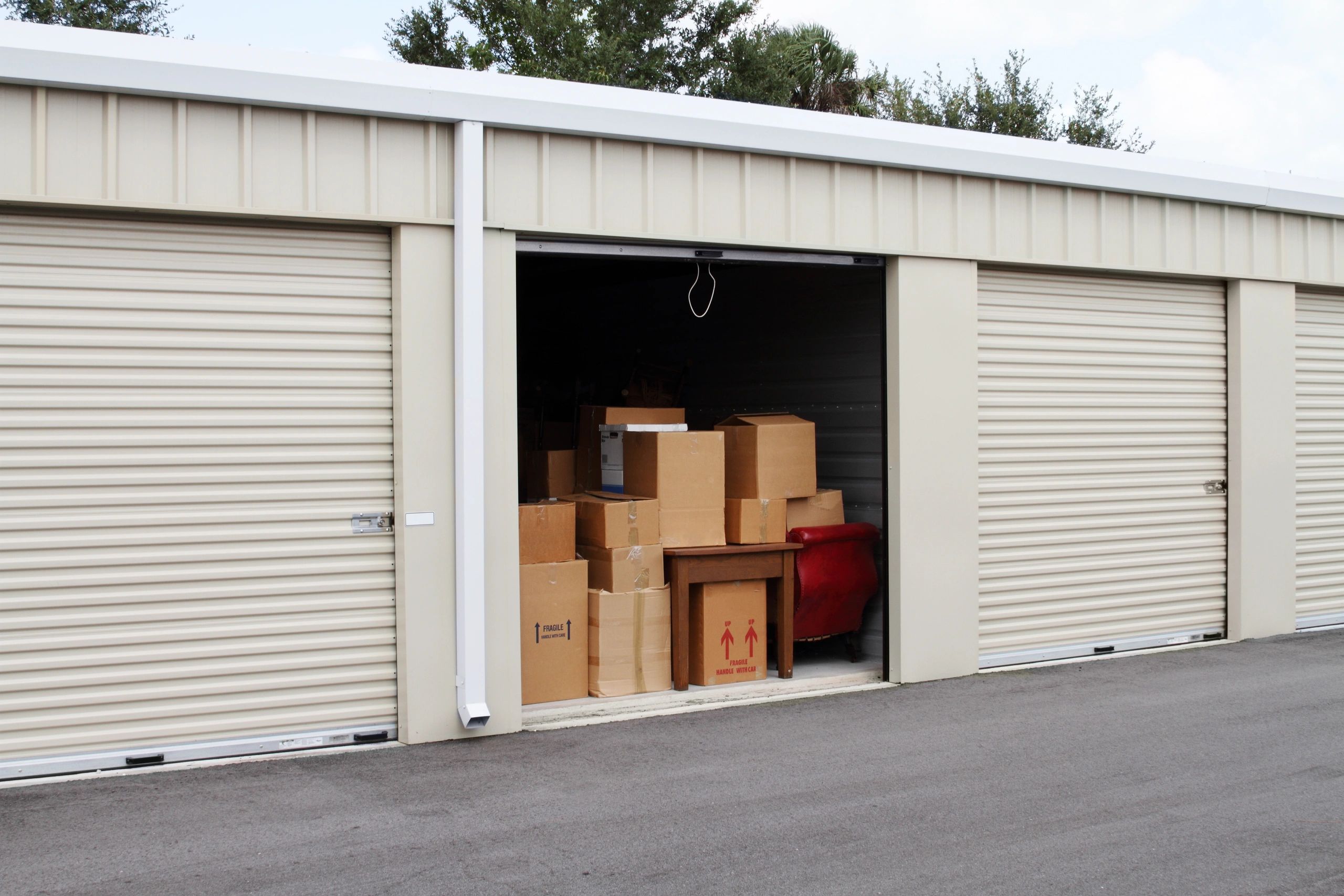
What starts as a practical solution can quickly become a silent financial drain—storage units left unattended for months or even years cost Canadian households hundreds, sometimes thousands, in unused rental fees. In cities like Montreal and Toronto, where urban living often means limited space, temporary storage can morph into a long-term habit, filled with everything from old furniture and seasonal décor to forgotten electronics and file boxes. Over time, these units accumulate not just dust and mold, but liability. Without a clear plan, clutter grows, access becomes difficult, and disposal risks multiply.
Beyond the monthly bill, overstuffed units pose real challenges: damaged items degrade, hazardous materials go unnoticed, and decision fatigue sets in when it's finally time to act. Many people delay clearouts because they’re unsure where to start—what can be donated, what must be recycled, and what requires special handling. The result? Prolonged stress, wasted money, and missed opportunities to reclaim both space and peace of mind.
This guide will help you recognize the warning signs of a problematic storage unit, navigate the removal process with confidence, and understand how to dispose of items safely and responsibly—whether you're preparing for a move, downsizing, or managing an estate. You’ll learn how to sort efficiently, avoid common pitfalls, and ensure compliance with local waste standards—all while minimizing environmental impact.
Master the Clearout: A Step-by-Step Plan to Efficiently Empty Your Storage Unit
Tackling a storage unit clearout becomes far more manageable when broken down into clear, actionable steps. Whether you're reclaiming space in Montreal, Toronto, or another urban center, this systematic approach ensures a smooth, safe, and cost-effective removal process.
- Schedule and Prepare Access Contact your storage facility to confirm access times and any gate codes needed. If you're unable to be present, ensure the unit is unlocked and clearly marked. Remove personal items first—important documents, valuables, and sentimental belongings—to reduce risk during the haul-off.
- Sort with a Purpose Use the four-category method: Keep, Donate, Recycle, and Dispose. Work section by section to avoid confusion. Be realistic—items unused for over a year are likely candidates for removal. Label bins clearly to streamline pickup.
- Dismantle Large Items Break down furniture like bed frames, shelves, or tables. This saves space during transport and reduces labor time, which can lower overall costs. Set aside heavy appliances and clearly mark them for safe handling.
- Identify Problem Materials Set aside paint cans, batteries, propane tanks, or chemicals—these require special disposal and are not accepted in standard junk removal. Check local drop-off sites for hazardous waste.
- Maximize Efficiency on Removal Day Place heavy debris toward the back of the truck, with lighter, compact items on top. After removal, sweep the unit thoroughly and inspect corners. A clean space helps finalize your rental agreement quickly and may qualify for deposit refunds.
Following these steps ensures a faster, compliant, and stress-free clearout—freeing up space, time, and monthly expenses.
Why Compliance and Certification Matter in Junk Removal
When tackling a storage unit clearout, it’s not just about loading up debris and hitting the road—compliance with local waste disposal regulations is critical. In cities like Montreal and Toronto, waste management isn’t just monitored; it’s enforced to protect public health, safety, and the environment. Hiring a junk removal service that’s certified means working with professionals trained to follow provincial rules for waste sorting, transportation, and disposal.
Certified teams are well-versed in identifying materials that require special handling, such as electronics, motor oil, and pressurized containers. These items can’t be dumped in landfills and must be sent to approved recycling or treatment facilities. Certified operators also carry proper documentation to transport waste legally, ensuring every load is accounted for and traceable.
Beyond avoiding fines, using a compliant service reduces environmental impact. Certified providers prioritize recycling and donation—diverting up to 60% of junk from landfills through responsible sorting. They follow protocols for safe lifting and loading, reducing injury risks, especially in tight storage environments.
For property owners and renters alike, choosing a certified service means peace of mind: no liability, no guesswork, and no violations. Whether you're in downtown Toronto or suburban Montreal, certified junk removal ensures your storage unit clearout is efficient, eco-friendly, and fully compliant.
7 Commonly Forgotten Storage Unit Items and How to Responsibly Dispose of Them
When clearing out a storage unit, people often overlook items tucked away in corners or buried under boxes. Knowing how to properly handle these commonly abandoned materials ensures compliance, safety, and environmental responsibility—especially in cities like Montreal and Toronto, where waste regulations are closely monitored.
- Old Mattresses & Box Springs Often left behind due to size and odor, mattresses can be recycled for their steel coils, foam, and fabric. Many disposal services partner with recycling centers that break them down efficiently, keeping them out of landfills. Remove plastic wrap before pickup to speed up processing.
- Appliances (White Goods) Refrigerators, washers, dryers, and microwaves contain metals, refrigerants, and wiring that require special handling. Qualified removal teams extract refrigerants from cooling units and send components to certified recyclers. This complies with provincial environmental codes and prevents harmful emissions.
- Wood Pallets & Shipping Crates These often accumulate after moves or renovations. Solid wood pallets can be reused or broken down into mulch or biomass fuel. Avoid tossing them in regular trash—many junk removal providers sort them for industrial recycling or upcycling.
- Holiday Decorations (Damaged or Unused) Flickering lights, broken ornaments, and tangled wires add up. Separating reusable décor from non-working LED strands allows for proper electronic recycling. Intact items in good condition can support local donation efforts.
- Books and Magazines (in Bulk) While paper is recyclable, large stacks attract moisture and pests. Flatten boxes and remove bindings if possible. Sensitive documents should always be shredded first—books with personal notes included should never be discarded without review.
- Sporting Equipment & Toys Bikes, strollers, and broken gear may still have salvageable parts. Metal frames and plastic components are commonly recycled, while usable children's items are often redirected to community organizations.
- Framed Art and Mirrors Glass poses safety risks and isn’t accepted in standard recycling streams. Professional teams dismantle frames, recycle the wood or metal, and route glass to specialized processing facilities to prevent landfill contamination.
Proper sorting at the source reduces environmental impact and supports sustainable waste streams—critical for responsible urban storage management.
Frequently Asked Questions About Storage Unit Clearouts and Junk Removal
How quickly can I schedule a junk removal service in urban areas like Montreal or Toronto? Most professional services can accommodate requests within 24 to 48 hours. For faster turnaround—especially during peak seasons like spring or summer—booking in advance helps avoid delays and stops additional rental fees from accumulating on your storage unit.
Do I need to be present during the clearance? Your presence isn’t required. However, it’s strongly advised to remove personal, valuable, or sensitive items beforehand. Ensuring clear access and pre-sorting items will help the team work efficiently and reduce service time.
What happens to furniture and appliances after removal? Reusable furniture and functioning appliances are typically donated to local charities. Items beyond repair are responsibly dismantled, with metals, wood, and electronic components diverted to recycling facilities—supporting sustainability and compliance with local waste regulations.
Can paint, chemicals, or batteries be removed with standard junk services? No. Hazardous materials such as oil-based paint, propane tanks, cleaning solvents, and car or lithium-ion batteries are not included in general junk removal. These require separate, compliant disposal through designated municipal or retail drop-off points.
Is final cleaning part of the service? Yes, most professional teams include thorough sweeping, debris removal, and corner inspections. This leaves the unit spotless—important for closing rental agreements or preparing the space for reuse, especially in high-demand areas.
How can I keep the cost down? Pre-sorting items into keep, donate, recycle, and discard piles, disassembling large furniture, and removing heavy debris yourself streamlines the process. Efficient preparation reduces labor time and directly lowers the total service cost.
The Final Step: Turn Your Storage Clearout into Lasting Relief
A cluttered storage unit doesn't just take up physical space—it drains your time, budget, and mental energy. By now, you’ve assessed your belongings, sorted with purpose, and learned what items require special handling. But the true value of a successful clearout lies in choosing a removal solution that prioritizes efficiency, compliance, and peace of mind. Many residents in Montreal, Toronto, and similar urban centers discover too late that unlicensed services cut corners—dumping illegally, mishandling hazardous waste, or leaving behind debris that triggers additional fees.
A professional junk removal partner ensures every item is accounted for: furniture gets donated, e-waste is recycled responsibly, and unusable debris is disposed of according to provincial regulations. This level of care protects you from liability while supporting local sustainability efforts. You also save hours of labor, avoid rental overruns, and eliminate safety risks tied to heavy lifting or unstable stacks.
Take action now: lock in a certified provider who offers transparent pricing, same-day service, and full clean-up. Confirm they handle sorting on-site and provide disposal documentation. This final step isn’t just about emptying a unit—it’s about closing a stressful chapter and reclaiming control.
Your clutter-free future starts the moment you choose reliability over risk.