.png/:/rs=h:120,cg:true,m/qt=q:95)
StorageMart Clearout: WSS Junk Removal Solution
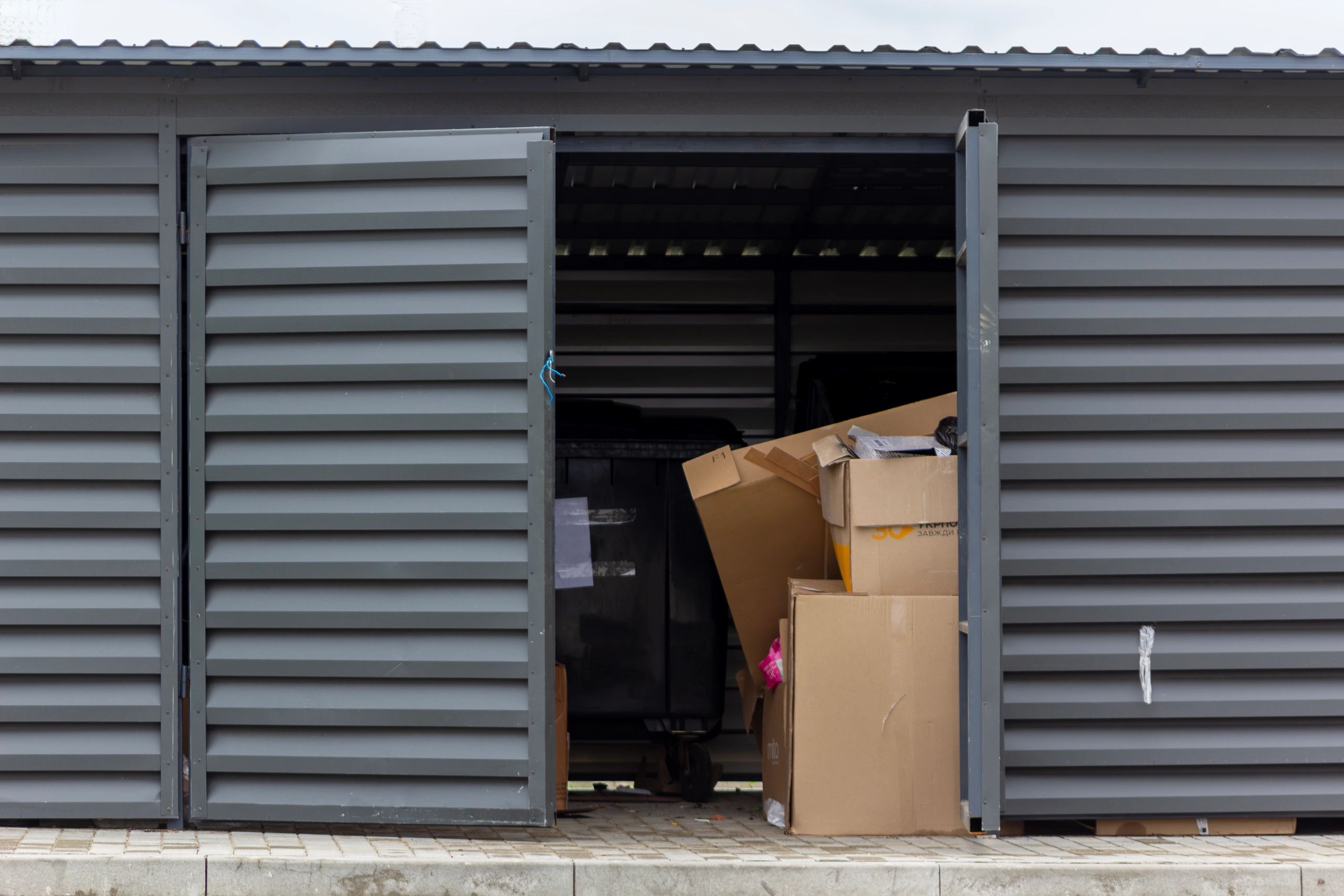
The Hidden Burden of Cluttered Storage: Why a Strategic Clearout Matters
When your storage unit becomes more than a temporary solution, it can quietly evolve into a costly and stressful liability. Many people across cities like Montreal and Toronto initially rent a unit for practical reasons—seasonal items, moving overflow, or furniture during renovations—but over time, neglect and indecision turn that short-term convenience into a long-term burden. Without regular maintenance, units accumulate damaged boxes, forgotten electronics, and hazardous materials like leaking batteries or old paint, all while monthly fees continue to pile up. A $100-per-month unit may seem minor, but unchecked, it adds up to over $1,200 a year for unused space.
Beyond the financial drain, clutter poses real safety and compliance risks. Improperly stored items can degrade, creating fire hazards or violating provincial waste regulations—especially when it comes to electronics, propane tanks, or chemical products. The emotional toll is just as significant; unresolved clutter contributes to mental fatigue and decision paralysis, making the eventual cleanout feel overwhelming.
This guide walks you through recognizing the signs of an overstuffed unit, organizing a stress-free removal process, and understanding which materials require special handling. You’ll learn how to classify items effectively, minimize environmental impact through responsible disposal, and when to bring in certified professionals who follow local compliance standards for safe, efficient clearouts—so you can reclaim peace of mind along with your space.
Master the Clearout: A Step-by-Step Plan to Efficiently Empty Your Storage Unit
Clearing out a storage unit doesn’t have to be overwhelming—when you follow a proven, organized approach. Whether you're in Montreal, Toronto, or another busy Canadian city, these practical steps will help you reclaim space, reduce monthly costs, and eliminate clutter for good.
- Conduct a Full Unit Assessment Start with a walkthrough of the space. Note large items, fragile materials, and any potential hazards like leaking containers or moldy boxes. Take photos to document the starting point and help plan removal logistics.
- Use the Four-Box Sorting Method Create designated zones: Keep, Donate, Recycle, and Dispose. Work in sections to avoid backtracking. Be decisive—ask yourself when the last time was you used each item. If it's been over a year, it’s likely safe to let go.
- Remove High-Value and Sensitive Items First Extract personal documents, electronics, sentimental belongings, or anything with resale value before heavy lifting begins. This minimizes risk of loss and keeps you focused on junk removal during later stages.
- Dismantle and Prepare Bulky Items Take apart larger furniture like bed frames or shelving units if possible. This makes transport easier and can reduce service time. Clearly mark heavy or awkward items (e.g., appliances) so they’re handled safely.
- Optimize Loading and Final Cleanup Load remaining discard items strategically—place heavier objects at the bottom and fragile junk on top. Once cleared, sweep the floor, check corners for debris, and wipe down surfaces. A clean unit ensures smooth closure or re-rental.
Following this process not only streamlines the clearout but supports responsible disposal—maximizing donations, recycling, and compliance with local waste rules.
Why Certified Waste Management Makes All the Difference
When clearing out a storage unit in Montreal, Toronto, or any Canadian urban center, hiring a certified junk removal service isn’t just about convenience—it’s essential for ensuring compliance, safety, and environmental responsibility. Provincial waste regulations, particularly in Quebec and Ontario, are strict for good reason: improper disposal of materials can lead to fines, public health risks, and long-lasting environmental damage.
A certified provider follows clearly defined protocols for waste classification, transportation, and proper recycling. They are trained to identify restricted materials such as electronics, chemicals, or batteries, preventing illegal landfill dumping. This ensures you remain compliant with local laws and avoids liability for any indirect damage caused by inappropriate disposal.
From a safety standpoint, certified teams are equipped with proper personal protective equipment (PPE) and use safe handling techniques for heavy or unstable loads—reducing injury risks, especially in confined spaces like storage facilities.
Finally, environmental impact is significantly reduced through rigorous sorting: metals, wood, and e-waste are recovered, while usable furniture is redirected to local charities. By choosing a compliant service, you actively contribute to a safe, sustainable, and responsible disposal chain—without any compromises.
What You Can (and Can’t) Remove from Your Storage Unit: A Clear Guide
Clearing out a storage unit requires more than just hauling away boxes—it demands knowledge of what can be legally and safely discarded. Understanding disposal regulations helps you avoid fines, delays, and environmental harm, especially in densely populated areas like Montreal, Toronto, and other Canadian urban centers where waste management rules are strictly enforced.
Here’s a practical breakdown of common storage unit items and how to handle them responsibly:
- Furniture – Yes, with Proper Handling Wooden dressers, metal bed frames, tables, and chairs are typically acceptable for removal. However, heavily soiled upholstery or water-damaged pieces may not qualify for donation and require special disposal. For better efficiency, disassemble large items before pickup to reduce space and speed up service.
- Electronics – Recycle, Never Trash Old computers, monitors, printers, and small appliances contain recyclable metals and hazardous materials. These must not go into regular dumpsters. Professional junk removal services route them to certified e-waste facilities for safe dismantling and responsible recycling.
- Cardboard & Paper – Easy to Recycle Flattened cardboard boxes and non-sensitive paper products are highly recyclable. Always shred personal documents (like tax forms or bank statements) before discarding to prevent identity theft and comply with privacy best practices.
- Household Goods – Ideal for Donation Working lamps, kitchenware, tools, and décor are often in good condition and perfect for charitable reuse. Separating these early streamlines pickup and supports local community programs.
- Paint & Chemicals – Do Not Include Oil-based paints, pesticides, cleaning solvents, and other chemicals are classified as hazardous waste. They cannot be removed through standard services. Instead, dispose of them at designated municipal drop-off centers to remain compliant.
- Batteries & Propane Tanks – High-Risk Items Car batteries, lithium-ion packs, and propane cylinders pose fire and safety risks. These require specialized handling and should be returned to approved retail or recycling depots.
- Construction Debris – Test First Drywall, insulation, or flooring from older units may contain regulated materials like asbestos or mold. These need professional testing and remediation before removal to meet provincial safety codes.
Always disclose questionable items upfront. Proper sorting protects workers, keeps your clearout on track, and ensures compliance with local disposal standards.
Frequently Asked Questions About Storage Unit Clearouts and Junk Removal
How long does it take to schedule a storage unit clearout in Montreal or Toronto? Most requests can be processed within 24 to 48 hours. However, during high-demand periods like summer months, advance booking is recommended to ensure availability—especially if you’re trying to avoid ongoing monthly fees.
Do I need to be present during the removal process? No, your presence is not required. For valuable or sensitive items such as personal documents or sentimental belongings, it’s best to remove them prior to the service. Make sure access is unrestricted and contents are clearly sorted to streamline the process.
What happens to furniture and appliances that are removed? Reusable items are often directed to local charitable organizations, while damaged parts are sorted for recycling of metal, wood, or electronic components. This reduces environmental impact and supports the circular economy.
Are materials like paint or batteries included in the service? No. Hazardous waste—such as lead-acid batteries, propane cylinders, solvents, or chemicals—is not accepted in standard junk removal services. Their disposal requires specialized channels compliant with Quebec and Ontario provincial standards.
Is final cleaning included after the clearout? Yes, most professional services include complete sweeping of the unit, removal of residual debris, and corner checks. A clean space allows for smooth contract closure or quick re-rental—an advantage in high-turnover urban areas like Montreal or Toronto.
How can I reduce the cost of the service? Pre-sorting your items into categories (keep, donate, recycle, dispose), clearing pathways, and identifying heavy loads helps optimize labor time. Better preparation means fewer service hours, directly reducing costs.
Why Professional Support Is Essential for Stress-Free Storage Unit Clearouts
Clearing out a storage unit can seem straightforward—until you're faced with years of accumulated belongings, logistical hurdles, and local disposal regulations. While a DIY approach might appear cost-effective at first, the hidden challenges often lead to wasted time, safety risks, and unintentional non-compliance with provincial waste guidelines—especially in densely populated areas like Montreal, Toronto, and surrounding communities. This is where professional expertise makes a measurable difference.
Trained junk removal teams bring more than just trucks—they offer a systematic process that includes on-site sorting, safe handling of heavy or hazardous materials, and proper disposal through recycling, donation, or approved facilities. Their certification ensures adherence to environmental standards, particularly when dealing with e-waste, batteries, or chemical residues commonly found in long-term storage. You avoid the guesswork of municipal drop-offs and reduce the risk of fines or safety incidents.
Beyond compliance, professionals streamline the entire experience. With same-day availability in many urban markets, they help you reclaim space quickly—stopping unnecessary rental fees from piling up. Most services include final sweeping and debris removal, leaving the unit clean and ready for closure or reuse.
If you're preparing for a move, downsizing, or managing a property cleanout, take action now:
- Walk through your unit and separate personal items
- Identify any electronics, paint, or pressurized containers
- Schedule a certified removal team to handle the rest
Letting go doesn’t have to be overwhelming. With the right support, you gain back control—over your space, your time, and your peace of mind.